
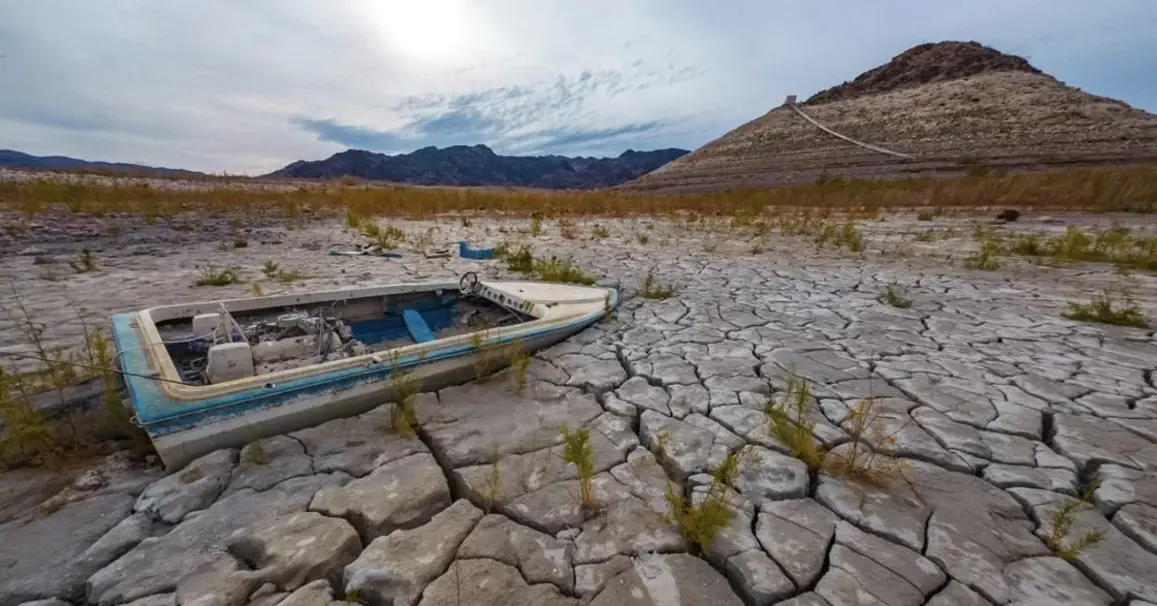
The growing reality drought presents across Colorado and the broader American West is no longer a temporary inconvenience or a seasonal concern. It is a defining environmental, economic, and social force that is reshaping how millions of people live, farm, and plan for the future. From shrinking reservoirs to stressed river systems, the evidence is visible, measurable, and increasingly impossible to ignore. Understanding what is driving this crisis, who it affects, and what meaningful solutions look like is essential for every community in the region and for the nation as a whole.
The Growing Reality Drought Has Redefined the American West
The American West has always been shaped by water, or more precisely, by the constant negotiation between human need and natural scarcity. Indigenous communities, early settlers, and modern cities all built their existence around rivers, snowpack, and seasonal rainfall. But the conditions facing the region today are fundamentally different from anything in recent recorded history.
The Colorado River serves as the most visible symbol of this transformation. A lifeline for roughly 40 million people across seven U.S. states and parts of Mexico, the river has been under sustained pressure for more than two decades. Major reservoirs like Lake Mead and Lake Powell have dropped to historically low levels, exposing the now-famous white bathtub rings etched into canyon walls. Those rings are not just a striking visual. They are a record of how dramatically water storage has declined and how quickly the region is consuming more than nature can replenish.
In Colorado specifically, the Rocky Mountain snowpack plays a critical role in feeding rivers and reservoirs throughout the spring and summer. Snow that accumulates over the winter months slowly melts and flows into streams that supply cities, farms, and ecosystems downstream. But rising temperatures are disrupting this cycle. Snow is melting earlier in the season, and a greater share of that meltwater evaporates before it ever reaches a river or reservoir. The result is a steady, compounding reduction in available water that affects every user in the system.
What Is Driving the Drought in Colorado and the West
Scientists and water managers point to two interconnected forces at the root of the crisis: climate change and decades of water over-allocation. Neither factor alone would be sufficient to create the conditions we see today, but together they have pushed the region into what researchers now call a megadrought.
A megadrought is not simply a long dry spell. It is a prolonged period of reduced precipitation and elevated temperatures that persists for decades and fundamentally alters the hydrology of a region. Research published by scientists at NASA and other institutions has found that the current western megadrought is among the most severe in at least 1,200 years. Tree ring records, which scientists use to reconstruct historical climate conditions, confirm that the combination of heat and dryness affecting the West today is exceptional by any long-term measure.
Climate change is intensifying the drought in several ways. Higher average temperatures increase evaporation from soil, lakes, and reservoirs. They also reduce the efficiency of precipitation, meaning that even when rain or snow does fall, less of it ends up as usable water. Warmer winters mean less snow accumulation and earlier snowmelt, which disrupts the natural timing of water delivery to downstream users.
At the same time, the legal and political framework governing western water was built on assumptions that no longer hold. The Colorado River Compact of 1922 allocated more water than the river actually produces in an average year. Decades of population growth, agricultural expansion, and energy development have only widened the gap between what is promised and what is available. The result is a system that was already overextended before climate change began tightening the screws.
You can explore current drought conditions and monitoring data through the National Integrated Drought Information System, which tracks drought severity across the United States in real time.
How the Growing Reality Drought Affects Water Supply and Communities
The most immediate and widely felt consequence of the drought is pressure on municipal water supplies. Cities and towns across Colorado and the broader West are being forced to confront hard questions about how much water they can reliably access and how to manage demand as populations continue to grow.
Water restrictions have become a routine part of life in many communities. Outdoor watering limits, tiered pricing structures that charge more for higher usage, and bans on certain types of landscaping are now common tools that water utilities use to stretch limited supplies. Some municipalities have gone further, requiring new developments to demonstrate a reliable long-term water supply before construction can begin.
Denver Water, one of the largest water utilities in the region, has been widely recognized for its conservation programs. The utility has reduced per capita water use significantly over the past two decades even as the Denver metro area has grown substantially. That achievement reflects sustained investment in public education, pricing incentives, and infrastructure upgrades. But even Denver acknowledges that the challenges ahead are more severe than anything the utility has faced before.
Smaller communities face even greater challenges. Rural towns that depend on a single water source, whether a local river, a shallow aquifer, or a small reservoir, have far less flexibility to adapt. When that source declines, the options are limited and expensive. Some communities have already begun exploring water hauling, emergency interconnections with neighboring systems, and costly new infrastructure projects just to maintain basic service.
Agriculture Under Pressure: Farms and Ranches Facing the Growing Reality Drought
Agriculture accounts for the largest share of water use in the American West, and it is also the sector feeling the most acute pain from the ongoing drought. Farmers and ranchers across Colorado and neighboring states are making difficult decisions that would have been unthinkable a generation ago.
Reduced water availability translates directly into smaller irrigated acreage, lower crop yields, and higher production costs. Some farmers are fallowing fields entirely, choosing to sell or lease their water rights to cities rather than attempt to grow crops with insufficient supply. This practice, sometimes called buy and dry, has raised concerns about the long-term viability of agricultural communities and the rural economies that depend on them.
Ranchers face a parallel crisis. Pasture land that once supported cattle grazing is drying out, forcing ranchers to reduce herd sizes or purchase expensive supplemental feed. The combination of drought stress, rising input costs, and market uncertainty is pushing many family operations to the financial edge.
At the same time, the agricultural sector is also a source of innovation. Drip irrigation systems, soil moisture monitoring technology, drought-resistant crop varieties, and precision agriculture tools are helping some producers do more with less water. These approaches are promising, but they require upfront investment that is out of reach for many smaller operations without financial support or technical assistance.
The U.S. Department of Agriculture provides resources and support programs for farmers dealing with drought impacts. The USDA Drought Resources page offers information on assistance programs, conservation practices, and research relevant to agricultural water management.
Wildfires, Ecosystems, and the Cascading Effects of Drought
Drought does not affect only water supplies and farms. It reshapes entire landscapes and the ecosystems that depend on them, and it creates conditions that amplify other environmental hazards, most notably wildfire.
Dry vegetation is the primary fuel for wildfires, and prolonged drought creates an abundance of it. Colorado has experienced some of its most destructive wildfires in recorded history over the past decade. The Cameron Peak Fire in 2020 became the largest wildfire in Colorado history, burning more than 200,000 acres. The East Troublesome Fire, which ignited the same year, was not far behind. Both fires were fueled in part by drought-stressed forests and unusually warm, dry conditions.
Forests weakened by drought are also more vulnerable to insect infestations, particularly bark beetles. Healthy trees can defend themselves against beetle attacks by producing resin that repels the insects. But drought-stressed trees lack the resources to mount that defense, and beetle populations have exploded across millions of acres of western forest. Dead and dying trees add to the wildfire fuel load and reduce the capacity of forests to store carbon and regulate local climate.
Rivers and aquatic ecosystems are under severe stress as well. Lower river flows concentrate pollutants, raise water temperatures, and reduce the oxygen content of the water. These changes are devastating for cold-water fish species like trout and salmon, which require specific temperature and flow conditions to survive and reproduce. Several native fish species in the Colorado River Basin are already listed as threatened or endangered, and drought is accelerating their decline.
Wetlands, riparian corridors, and the wildlife that depends on them are also contracting. Birds, amphibians, and mammals that rely on seasonal water sources are finding those sources unreliable or absent. The ecological consequences of sustained drought extend far beyond what is immediately visible and will take generations to fully understand.
The Colorado River Basin: A System at a Tipping Point
No single water system better illustrates the growing reality drought than the Colorado River Basin. The river and its tributaries drain parts of seven U.S. states, Wyoming, Colorado, Utah, Nevada, New Mexico, Arizona, and California, as well as two Mexican states. It supplies water to some of the fastest-growing cities in the country, including Las Vegas, Phoenix, Tucson, and the greater Los Angeles area. It also irrigates millions of acres of farmland that produce a significant share of the nation’s fruits, vegetables, and nuts.
For decades, the states and federal government have negotiated over how to divide the river’s water. Those negotiations have always been contentious, but the current situation has introduced a new level of urgency. Lake Mead, the nation’s largest reservoir by capacity, dropped to its lowest recorded level in 2022. Lake Powell, the second largest, followed a similar trajectory. Both reservoirs are critical not only for water storage but also for hydroelectric power generation. When water levels fall too low, power generation is threatened, adding an energy crisis on top of a water crisis.
The federal government has responded with emergency conservation measures, requiring states to reduce their water withdrawals from the river. These cuts have been painful and politically contentious, but they reflect the reality that the system cannot continue to operate as it has. Long-term solutions will require rethinking the legal framework for water allocation, investing in water recycling and reuse infrastructure, and making difficult choices about which uses of water are sustainable in a hotter, drier future.
The Bureau of Reclamation, which manages federal water infrastructure across the West, provides detailed information on current reservoir conditions and ongoing conservation efforts at usbr.gov.
Signs of Progress: Adaptation and Innovation in the Face of Drought
Despite the severity of the situation, there are genuine reasons for cautious optimism. Communities, governments, and businesses across the West are investing in adaptation strategies that are beginning to show results.
Water recycling and reuse is one of the most promising areas of progress. Advanced treatment technologies now allow municipalities to purify wastewater to drinking water standards, creating a new source of supply that is largely independent of rainfall and snowpack. Several cities in the West are already operating or planning direct potable reuse systems, and the technology is becoming more affordable as it scales up.
Stormwater capture is another tool gaining traction. In urban areas, rain that falls on rooftops, parking lots, and streets typically runs off into storm drains and is lost. Systems designed to capture and infiltrate that water can recharge local aquifers and reduce demand on surface water supplies. Los Angeles has made stormwater capture a centerpiece of its long-term water strategy, and other cities are following suit.
Landscape transformation is also making a measurable difference. Replacing water-intensive turf grass with drought-tolerant native plants reduces outdoor water use dramatically. Las Vegas has been a leader in this area, offering rebates for turf removal and banning decorative grass in many settings. The results have been significant, with the city reducing its Colorado River water use even as its population has grown.
In agriculture, water markets and flexible water sharing agreements are allowing water to move to its highest-value uses more efficiently. Farmers who choose to fallow fields or shift to less water-intensive crops can sell or lease their water rights, generating income while reducing overall demand. These arrangements are not without controversy, but they represent a more flexible approach to water management than the rigid allocation systems of the past.
Why the Growing Reality Drought Matters Beyond the West
It would be a mistake to view the drought in Colorado and the American West as a regional problem with only regional consequences. The interconnections between western water and the broader national economy are deep and far-reaching.
The agricultural output of the western states feeds the entire country and significant portions of the global food supply. California’s Central Valley, Arizona’s desert farmlands, and Colorado’s river-fed fields produce fruits, vegetables, grains, and livestock that appear on tables from Maine to Florida. When drought reduces that output, food prices rise and supply chains are disrupted for everyone.
The hydroelectric power generated by western dams supplies electricity to millions of homes and businesses. When reservoir levels fall and power generation declines, the regional grid comes under stress, and the cost of electricity rises. Energy reliability in the West has national implications, particularly as the country works to transition to cleaner power sources.
The economic health of western cities also matters nationally. Denver, Phoenix, Las Vegas, Salt Lake City, and other fast-growing metros are major contributors to the national economy. If water scarcity begins to constrain growth and development in these cities, the ripple effects will be felt across the country in the form of reduced investment, higher housing costs, and slower job creation.
Finally, the Colorado River’s water reaches into international relations. Mexico receives a guaranteed allocation of Colorado River water under a 1944 treaty, and the quality and quantity of that water has been a source of diplomatic tension for decades. As the river’s flow continues to decline, managing the U.S. obligation to Mexico will become increasingly complex.
A Shared Responsibility: Responding to the Growing Reality Drought
Addressing the growing reality drought requires action at every level, from individual households to federal policy. No single solution will be sufficient, and no single sector can bear the entire burden of adaptation. What is needed is a coordinated, sustained commitment to using water more wisely and planning for a future in which water is consistently scarcer than it has been in the past.
At the individual level, choices about landscaping, appliances, and daily habits add up to meaningful reductions in water use. Installing low-flow fixtures, replacing thirsty lawns with native plants, and being mindful of water use in the kitchen and bathroom are all steps that every household can take. When millions of people make these changes, the cumulative effect is substantial.
At the business level, companies that depend on water-intensive processes have both an incentive and a responsibility to invest in efficiency. Manufacturers, food processors, data centers, and other large water users can reduce consumption through process improvements, recycling systems, and smarter facility design. Businesses that take water stewardship seriously also reduce their exposure to regulatory risk and supply chain disruption.
At the policy level, governments need to modernize water law, invest in infrastructure, and create incentives for conservation and innovation. The legal frameworks governing western water were designed for a different era and a different climate. Updating them to reflect current realities is politically difficult but absolutely necessary. Federal investment in water recycling, storage, and efficiency programs can accelerate the transition to a more sustainable water future.
Sustainability-focused organizations and marketing agencies like Planet Media LLC are also playing a role by helping businesses and communities communicate clearly about water issues, build public awareness, and align their brands with the values of conservation and long-term thinking. Effective communication is not a luxury in a crisis. It is a tool for driving the behavioral and cultural change that technical solutions alone cannot achieve.
Looking Ahead: The Future of Water in a Drier West
The trajectory of drought in Colorado and the American West will depend on decisions made in the coming years and decades. Climate projections consistently indicate that the region will continue to warm, that precipitation patterns will become more variable, and that extreme drought events will become more frequent and more intense. These are not distant possibilities. They are the expected baseline against which all water planning must now be conducted.
The communities and institutions that will fare best are those that accept this reality now and begin making the investments and changes needed to adapt. That means building more resilient water infrastructure, diversifying water sources, reducing per capita consumption, and aligning land use and development decisions with the limits of available water.
It also means telling an honest story about what is at stake. The growing reality drought is not a problem that will resolve itself with a few wet winters. It is a structural shift in the relationship between the American West and its water supply. Acknowledging that shift clearly and responding to it with urgency and creativity is the only path forward that leads to a stable and prosperous future for the region and the nation.
The work ahead is significant, but the tools, knowledge, and will to do it exist. What is needed now is the collective commitment to act before the options narrow further. Water is not just a resource. It is the foundation on which everything else in the West is built, and protecting it is the most important sustainability challenge of our time.
Frequently Asked Questions
What is the growing reality drought facing Colorado and the American West?
The growing reality drought refers to the prolonged, intensifying water scarcity affecting Colorado and the broader American West, driven by climate change and decades of water over-allocation. It is not a temporary dry spell but a structural shift in the region’s hydrology that is reshaping water supplies, agriculture, ecosystems, and communities. Scientists classify the current conditions as a megadrought, one of the most severe in at least 1,200 years.What is causing the drought in Colorado?
The drought in Colorado is caused by a combination of rising temperatures linked to climate change and long-standing over-allocation of water resources. Higher temperatures increase evaporation, reduce snowpack, and cause earlier snowmelt, all of which reduce the amount of water available in rivers and reservoirs. The Colorado River Compact of 1922 allocated more water than the river actually produces, creating a structural imbalance that drought conditions have made impossible to ignore.How low have Lake Mead and Lake Powell dropped during the drought?
Lake Mead and Lake Powell, the two largest reservoirs in the United States, both reached historically low levels in recent years, with Lake Mead hitting its lowest recorded level in 2022. The decline has exposed white bathtub rings on canyon walls that mark how far water levels have fallen over the past two decades. Both reservoirs are critical for water storage and hydroelectric power generation across the American West.How does the growing reality drought affect agriculture in the West?
The growing reality drought is forcing farmers and ranchers across the West to reduce irrigated acreage, fallow fields, and in some cases sell their water rights to cities rather than continue farming. Reduced water availability leads to smaller harvests, higher production costs, and difficult decisions about which crops are viable. Ranchers are also reducing herd sizes as pasture land dries out and supplemental feed costs rise.What is a megadrought and does it apply to the current situation in the West?
A megadrought is a prolonged period of severe drought lasting decades that fundamentally alters the hydrology of a region. Research using tree ring records confirms that the current drought affecting the American West is among the most severe in over 1,200 years, meeting the scientific definition of a megadrought. The combination of reduced precipitation and elevated temperatures makes this drought far more intense than typical dry cycles.How does drought in Colorado contribute to wildfires?
Drought dries out vegetation and weakens trees, creating abundant fuel for wildfires and making forests more vulnerable to bark beetle infestations. Colorado experienced its two largest wildfires in recorded history in 2020, the Cameron Peak Fire and the East Troublesome Fire, both of which were fueled in part by drought-stressed landscapes. Prolonged drought conditions are expected to continue increasing the frequency and intensity of wildfires across the state.What is being done to address water scarcity in the Colorado River Basin?
Federal and state governments have implemented emergency conservation measures requiring states to reduce their water withdrawals from the Colorado River. Long-term solutions being pursued include water recycling and reuse, stormwater capture, landscape transformation programs, and modernization of water allocation laws. The Bureau of Reclamation tracks reservoir conditions and manages federal conservation efforts across the basin.How does the growing reality drought affect people outside the American West?
The growing reality drought has national consequences because the western states supply a significant share of the country’s food, energy, and water resources. Reduced agricultural output raises food prices nationwide, while declining hydroelectric generation puts pressure on regional power grids. The economic health of fast-growing western cities also affects national investment, housing markets, and job creation.What can individuals do to help address drought in Colorado and the West?
Individuals can reduce water use by installing low-flow fixtures, replacing water-intensive lawns with drought-tolerant native plants, and being mindful of daily water consumption in the home. These individual actions, when adopted by millions of households, produce meaningful reductions in overall demand. Supporting local water conservation programs and staying informed about water policy are also important ways to contribute.Are there reasons for optimism about solving the western drought crisis?
Yes, there are genuine reasons for cautious optimism, including advances in water recycling and reuse technology, successful turf removal programs in cities like Las Vegas, and measurable reductions in per capita water use in cities like Denver. Agricultural innovations such as drip irrigation, precision farming, and drought-resistant crop varieties are helping producers use water more efficiently. The key is accelerating these solutions and scaling them broadly before water options narrow further.Related Articles
- Climate Change: How Will it Affect our Food Supply in the Next Decade
- How Do We Help Mitigate Climate Change?
- Unraveling the Climate Change Hoax Belief: Understanding the Skepticism
- The Ripple Effects of Climate Change: What’s Happening to Our Planet?
- How Significant is the Impact of Climate Change?