
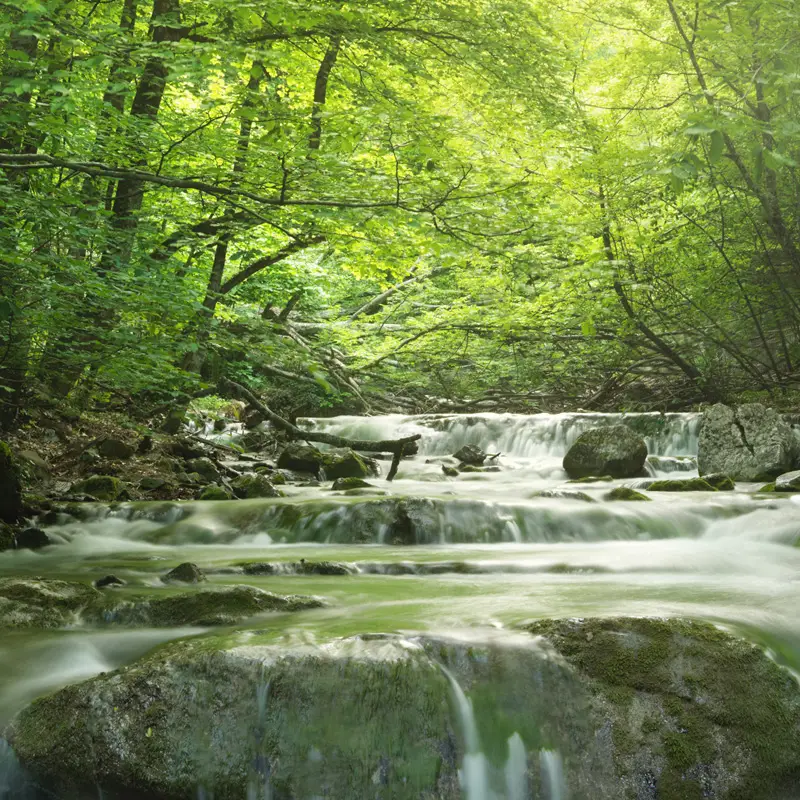
Saving lakes, rivers, and wetlands for the next generation is one of the most important environmental responsibilities we carry right now. Freshwater is not a background resource. It is the foundation of drinking water, food production, cultural identity, and biodiversity across every continent. Yet lakes, rivers, and wetlands are under more pressure today than at any other point in recorded history. Pollution, climate change, habitat destruction, and overuse are pushing these ecosystems toward collapse. The good news is that restoration is possible, communities are already doing the work, and every one of us has a meaningful role to play.
Why Saving Lakes, Rivers, and Wetlands Is a Generational Responsibility
We tend to think of environmental issues as problems for scientists and policymakers to solve. But freshwater protection is not a niche concern. It is a generational contract. The lakes, rivers, and wetlands that exist today are the same ones our children and grandchildren will depend on for drinking water, food, recreation, and cultural connection. When we allow these systems to degrade, we are not just damaging ecosystems. We are narrowing the possibilities available to every generation that follows.
According to the U.S. Environmental Protection Agency, watersheds provide drinking water to millions of Americans and support agriculture, wildlife, and recreation across the country. Globally, roughly two billion people rely on rivers and lakes as their primary source of daily water. That number is not shrinking. As populations grow and climate patterns shift, the demand on freshwater systems will only increase. Protecting what we have now is not optional. It is urgent.
There is also a cultural dimension to this responsibility that often goes unspoken. Rivers and lakes are not just water sources. They are places where communities gather, where traditions are passed down, where children learn to fish and swim and connect with the natural world. When a river runs dry or a lake turns toxic, something irreplaceable is lost. Saving these waters means saving the stories, the practices, and the sense of place that define who we are.
What Freshwater Ecosystems Actually Do for Us
Before we can talk about solutions, it helps to understand exactly what is at stake. Freshwater ecosystems provide a remarkable range of services that most people take for granted until they are gone.
Drinking water is the most obvious benefit. Rivers, lakes, and underground aquifers fed by wetlands supply the water that flows from our taps. Water treatment plants can filter and purify water, but they cannot function without a healthy upstream source. When watersheds are polluted or degraded, treatment costs rise dramatically and water quality suffers.
Food and agriculture depend heavily on freshwater systems. Wetlands and river floodplains support some of the most productive fisheries on the planet. Freshwater fish provide protein for hundreds of millions of people worldwide. Irrigation from rivers and lakes supports crop production across every major agricultural region. When these systems are overdrawn or contaminated, food security is directly threatened.
Climate resilience is another critical function. Wetlands act as natural sponges, absorbing floodwaters during heavy rain events and releasing water slowly during droughts. Coastal and inland wetlands buffer communities against storm surge and erosion. As climate change intensifies extreme weather events, these natural buffers become even more valuable. Destroying wetlands to build developments is, in effect, trading long-term safety for short-term profit.
Biodiversity in freshwater ecosystems is staggering. Rivers, lakes, and wetlands cover less than one percent of the Earth’s surface but support roughly ten percent of all known species. Migratory birds, amphibians, fish, aquatic insects, and riparian plants all depend on healthy freshwater habitats. Many of these species play critical roles in broader food webs and ecosystem functions that benefit humans directly.
The Biggest Threats Facing Our Freshwater Systems Today
Understanding the threats to freshwater ecosystems is essential for anyone who wants to take meaningful action. These challenges are interconnected, and addressing one without addressing the others rarely produces lasting results.
Agricultural runoff is one of the leading causes of freshwater pollution in the United States and around the world. Fertilizers, pesticides, and animal waste wash off farmland into streams and rivers, creating nutrient overloads that cause algal blooms. These blooms deplete oxygen in the water, killing fish and other aquatic life. The Gulf of Mexico dead zone, fed largely by agricultural runoff from the Mississippi River basin, is one of the most well-documented examples of this problem.
Urban stormwater runoff carries a different but equally damaging mix of pollutants. Oil, heavy metals, lawn chemicals, pet waste, and plastic debris all flow into storm drains and eventually into local waterways. Unlike agricultural runoff, which tends to be concentrated in rural areas, urban runoff affects nearly every city and suburb in the country.
Habitat destruction through wetland draining and riparian clearing has eliminated more than half of the world’s wetlands since 1900. When wetlands are drained for development or agriculture, the ecosystem services they provide simply disappear. Riparian zones, the vegetated areas along riverbanks, are similarly critical. They filter runoff, stabilize banks, provide shade that keeps water temperatures cool, and offer habitat for countless species. Clearing these zones for development or agriculture removes a natural line of defense.
Water overuse is a growing crisis in many regions. Rivers in the American West, for example, are heavily diverted for irrigation and municipal use, leaving some stretches completely dry during parts of the year. Groundwater depletion is accelerating in agricultural regions worldwide. When rivers run dry and aquifers drop, the ecosystems that depend on them collapse.
Climate change is amplifying every other threat. Rising temperatures increase evaporation, reduce snowpack that feeds rivers, and shift precipitation patterns in ways that make droughts and floods more severe. Warmer water temperatures stress cold-water fish species like trout and salmon. Shoreline erosion accelerates as storm intensity increases. The window for effective action is narrowing.
Invasive species round out the list of major threats. Species like Asian carp, zebra mussels, and water hyacinth can fundamentally alter the structure of freshwater ecosystems, outcompeting native species and disrupting food webs in ways that are difficult and expensive to reverse.
Saving Lakes, Rivers, and Wetlands Through Active Restoration
Restoration is not wishful thinking. It is a proven, science-backed approach that is already producing measurable results in communities across the country and around the world. When we give damaged ecosystems the right conditions, nature recovers with remarkable speed.
Dam removal is one of the most powerful restoration tools available. Outdated dams block fish migration, alter water temperatures, trap sediment, and fragment river ecosystems. When dams are removed, rivers often recover within years. The removal of the Elwha River dams in Washington State is one of the most celebrated examples. Within a few years of removal, salmon returned to stretches of river they had not accessed in over a century.
Riparian replanting involves restoring native vegetation along riverbanks and lakeshores. This work stabilizes banks, reduces erosion, filters runoff before it reaches the water, and provides critical habitat for birds, insects, and other wildlife. Many watershed organizations run volunteer planting programs that allow community members to participate directly in restoration work.
Wetland restoration involves rehydrating drained wetlands, removing invasive plants, and reintroducing native species. Restored wetlands quickly begin providing flood control, water filtration, and wildlife habitat. The U.S. Fish and Wildlife Service tracks wetland status and trends and supports restoration programs across the country.
Stream daylighting brings buried or culverted urban streams back to the surface. Many cities buried their streams in concrete channels or underground pipes during the twentieth century. Daylighting these streams restores natural flow, improves water quality, reduces flooding, and creates green corridors in urban environments. Cities like Seoul, South Korea and Portland, Oregon have completed successful daylighting projects that transformed degraded urban areas into vibrant community spaces.
Policy and Advocacy: Saving Lakes, Rivers, and Wetlands at the Systemic Level
Individual action matters, but systemic change requires policy. The most durable protections for freshwater ecosystems come from laws, regulations, and funding commitments that hold polluters accountable and invest in long-term stewardship.
The Clean Water Act has been the cornerstone of freshwater protection in the United States since 1972. It established standards for water quality, regulated the discharge of pollutants, and created programs to protect wetlands. Defending and strengthening the Clean Water Act is one of the most impactful things advocates can do at the national level.
State and local water quality programs fill gaps that federal law does not cover. Many states have their own wetland protection laws, stormwater regulations, and watershed management programs. Participating in public comment periods, attending local water board meetings, and supporting candidates who prioritize freshwater protection all contribute to stronger policy outcomes.
Agricultural policy is another critical lever. Farm bill programs that incentivize conservation practices, cover cropping, and riparian buffers can dramatically reduce agricultural runoff at scale. Supporting these programs through advocacy and consumer choices sends a clear signal to policymakers and farmers alike.
International agreements matter too. Freshwater does not respect political borders. Rivers cross state lines and national boundaries. Effective protection requires cooperation between jurisdictions, and supporting international frameworks for freshwater governance is part of the broader work of saving these systems for future generations.
What Individuals and Communities Can Do Right Now
Systemic change and individual action are not in competition. They reinforce each other. Here are specific, practical steps that individuals and communities can take to protect freshwater ecosystems.
Reduce lawn and garden chemical use. Fertilizers and pesticides applied to lawns and gardens wash directly into storm drains and local waterways. Switching to organic or low-input lawn care, using native plants that require less water and no chemicals, and composting yard waste instead of using synthetic fertilizers all reduce the chemical load entering local water systems.
Dispose of household chemicals properly. Motor oil, paint, cleaning products, and medications should never be poured down drains or into storm sewers. Most communities have household hazardous waste collection programs. Using them keeps toxic substances out of the water supply.
Reduce plastic use. Plastic debris is a pervasive pollutant in freshwater systems. Reducing single-use plastic consumption, participating in local stream and lake cleanups, and supporting policies that reduce plastic production at the source all help keep plastic out of waterways.
Support local watershed organizations. Watershed councils, land trusts, and conservation organizations do critical on-the-ground work that government agencies cannot always accomplish alone. Volunteering, donating, and amplifying their work through social media and community networks multiplies their impact.
Choose sustainably sourced food. Agricultural practices have enormous impacts on freshwater quality. Choosing food grown with regenerative or organic practices, reducing meat consumption from factory farms that generate heavy water pollution, and supporting local farmers who use conservation practices all translate into real improvements in watershed health.
Conserve water at home. Every gallon of water saved reduces the demand on rivers, lakes, and aquifers. Fixing leaks, installing low-flow fixtures, watering lawns efficiently, and choosing drought-tolerant landscaping all contribute to a more sustainable water future.
Saving Lakes, Rivers, and Wetlands by Honoring Indigenous and Local Knowledge
Some of the most effective freshwater stewardship practices in the world come from Indigenous communities that have managed these ecosystems for thousands of years. Traditional ecological knowledge encompasses detailed understanding of seasonal water patterns, fish behavior, plant communities, and the relationships between species that Western science is only beginning to document formally.
Indigenous-led conservation efforts have produced remarkable results in places where conventional approaches have struggled. Co-management agreements that give Indigenous communities meaningful authority over water resources have improved outcomes for both ecosystems and communities. Respecting and resourcing Indigenous knowledge is not just an act of justice. It is a practical strategy for better conservation.
Local knowledge more broadly, including the expertise of farmers, fishers, and long-time residents who know a watershed intimately, is an underutilized resource in freshwater management. Effective conservation programs engage these communities as partners rather than treating them as obstacles or afterthoughts. When people feel a genuine stake in the health of a waterway, they become its most committed defenders.
The Role of Businesses and Brands in Freshwater Protection
Businesses have an enormous impact on freshwater systems, both through their direct operations and through their supply chains. Companies that use water in manufacturing, agriculture, or energy production have a responsibility to manage that use sustainably and to avoid contaminating the water they return to the environment.
Sustainability-focused businesses are increasingly recognizing that freshwater protection is not just an ethical obligation. It is a business imperative. Water scarcity, regulatory risk, and reputational damage from pollution incidents all threaten long-term profitability. Companies that invest in water stewardship, reduce their water footprint, and support watershed restoration are building more resilient operations.
Brands can also use their platforms to educate consumers and advocate for stronger freshwater protections. Sustainability marketing that is honest, specific, and action-oriented can shift consumer behavior and build public support for the policies and practices that freshwater ecosystems need. At Planet Media LLC, we help sustainability-focused brands communicate their environmental commitments in ways that are credible, compelling, and effective.
Supply chain transparency is another powerful tool. When companies map their water use and pollution risks across their supply chains, they can identify hotspots and work with suppliers to reduce impacts. Certifications like the Alliance for Water Stewardship standard provide frameworks for responsible water management that businesses can adopt and communicate to stakeholders.
Saving Lakes, Rivers, and Wetlands: The Legacy We Leave Behind
Every generation inherits a world shaped by the choices of those who came before. The lakes, rivers, and wetlands we protect or neglect today will define the options available to our children and grandchildren. This is not abstract. It is immediate and concrete.
Children who grow up swimming in clean lakes, fishing in healthy rivers, and exploring rich wetlands develop a relationship with the natural world that shapes their values and their choices for the rest of their lives. When we protect these places, we are not just preserving ecosystems. We are cultivating the next generation of environmental stewards.
The work of freshwater protection is also deeply hopeful. Ecosystems that have been damaged for decades can recover when given the chance. Rivers that once ran orange with mine drainage now support thriving trout populations. Wetlands that were drained for agriculture have been restored to provide flood control and wildlife habitat. Communities that organized around protecting their local watershed have won meaningful victories against polluters and developers.
The Nature Conservancy has documented hundreds of successful freshwater restoration projects around the world, demonstrating that with the right investment and commitment, recovery is achievable at scale. The science is clear. The tools exist. What is needed now is the collective will to use them.
Saving lakes, rivers, and wetlands is not a task that belongs to any single organization, government, or generation. It belongs to all of us. It requires scientists and farmers, policymakers and parents, businesses and communities, Indigenous knowledge holders and urban volunteers. It requires honesty about the scale of the challenge and optimism about our capacity to meet it.
The waters we protect today are the waters our children will drink, swim in, fish from, and draw meaning from for the rest of their lives. That is a legacy worth working for. Not someday. Right now.